Case Study

How Macraes gold mine cut assay turnaround time in half

South Island, New Zealand

24 hours from rig to results

With a cutoff grade of 0.2 grams per tonne, idle machinery and a slow fire assay lab, Macraes gold mine turned to PhotonAssay™ on site — faster turnaround at low grade, fewer steps and more reliable results.

How Macraes Gold Mine cut assay turnaround time in half with PhotonAssay™ - the full story.

Key Outcomes

50%
faster grade control assay turnaround
Eliminated
fire assay on site
100%
low-grade assay confidence

With proper due diligence, we’ve decided to adopt a new PhotonAssay technology, and at this stage we’ve got no regrets.

Hamish Blakemore

Manager, Geology — Macraes Gold Mine (OceanaGold)

The Challenge

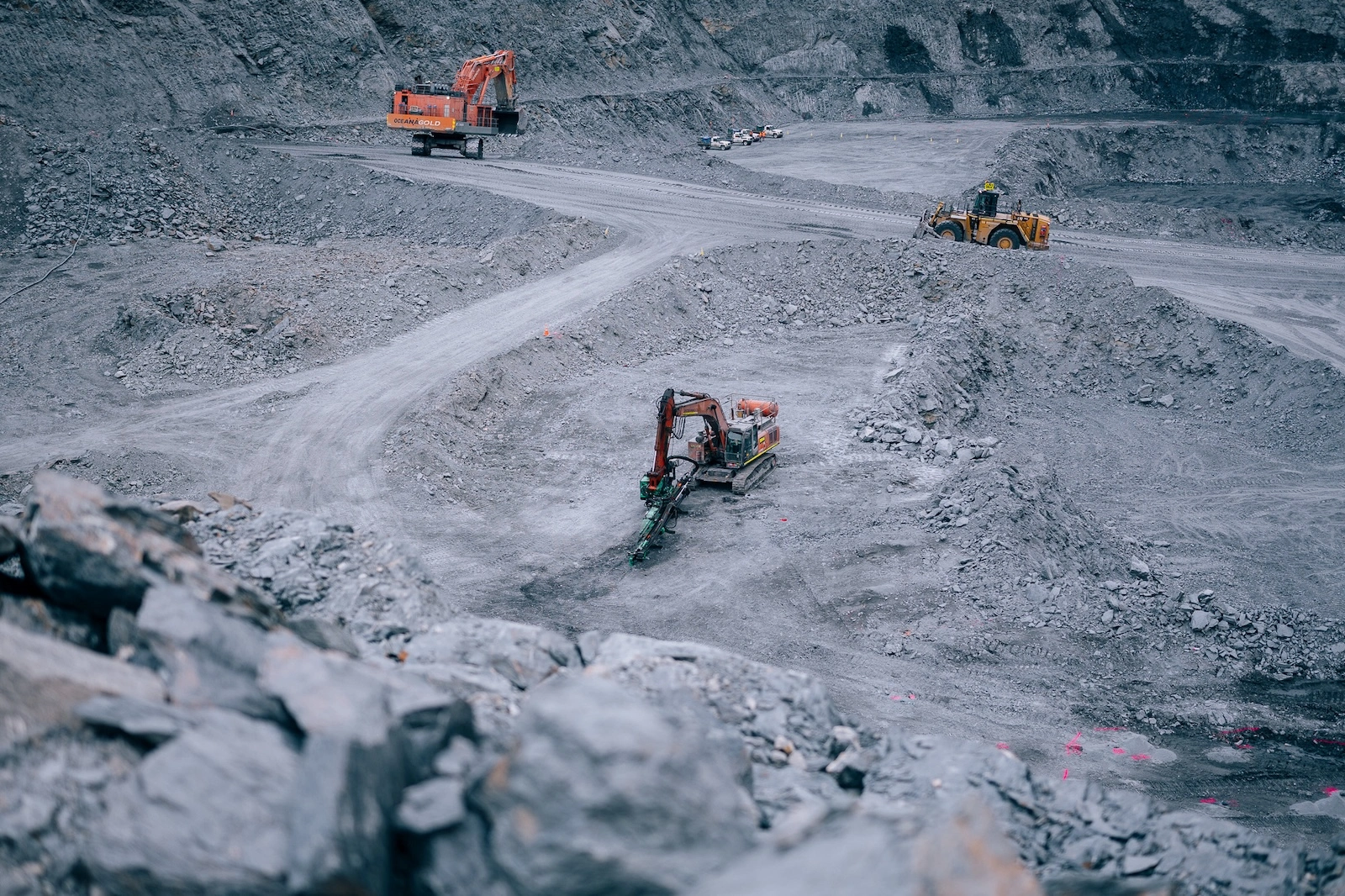
Macraes is a low-grade ore body with a cutoff of  0.2–0.3 grams per tonne. At low grade, the mine can’t afford to wait.


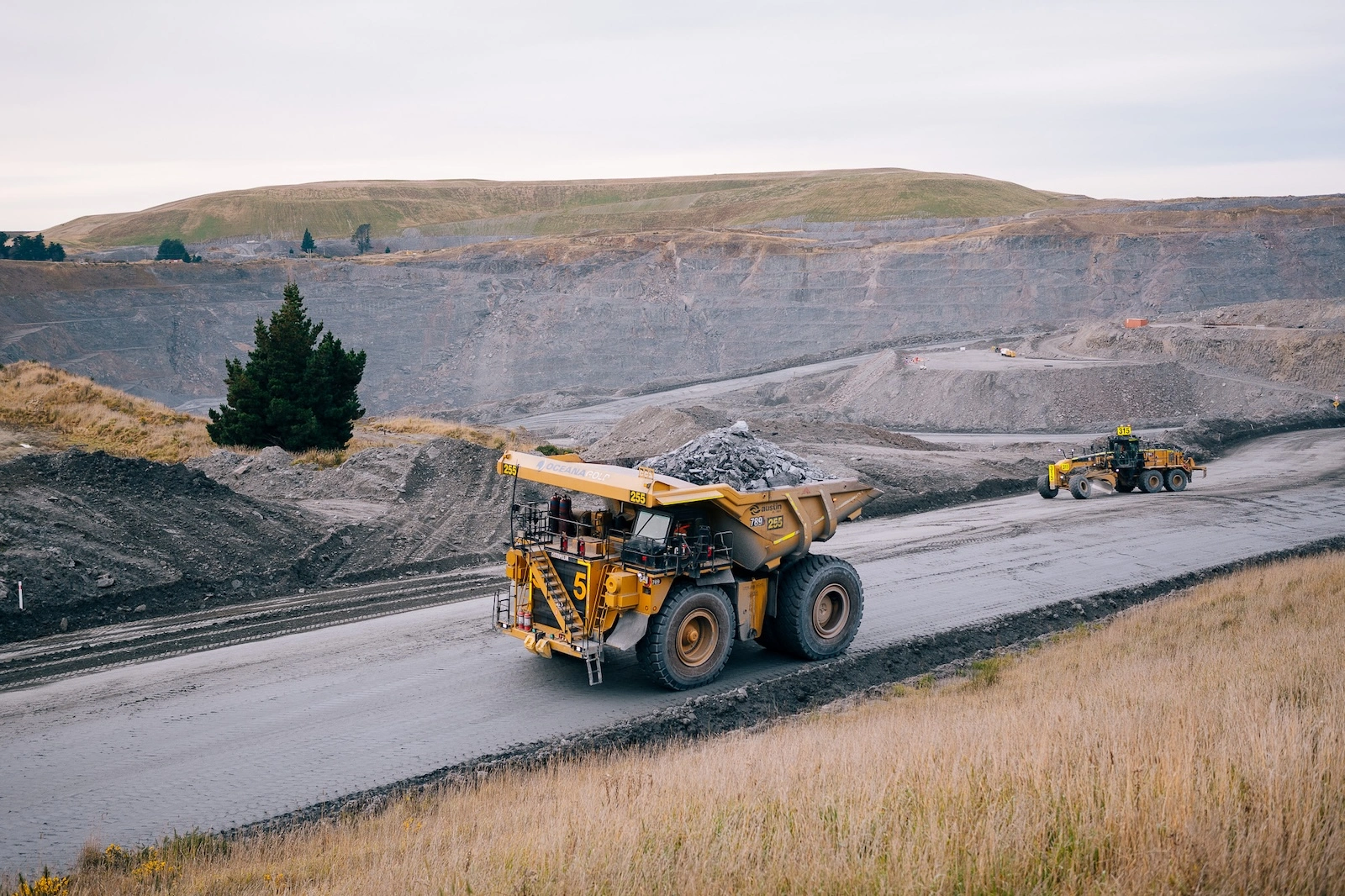
Under fire assay, the target turnaround for grade control samples was 48 hours. It rarely landed there, and any repeat assay pushed it further out. Meanwhile the diggers sat.


“We can’t have diggers parked up waiting for assays to get back. If the diggers aren’t working, we aren’t making money,” said Ben Baxter, Superintendent, Geology.


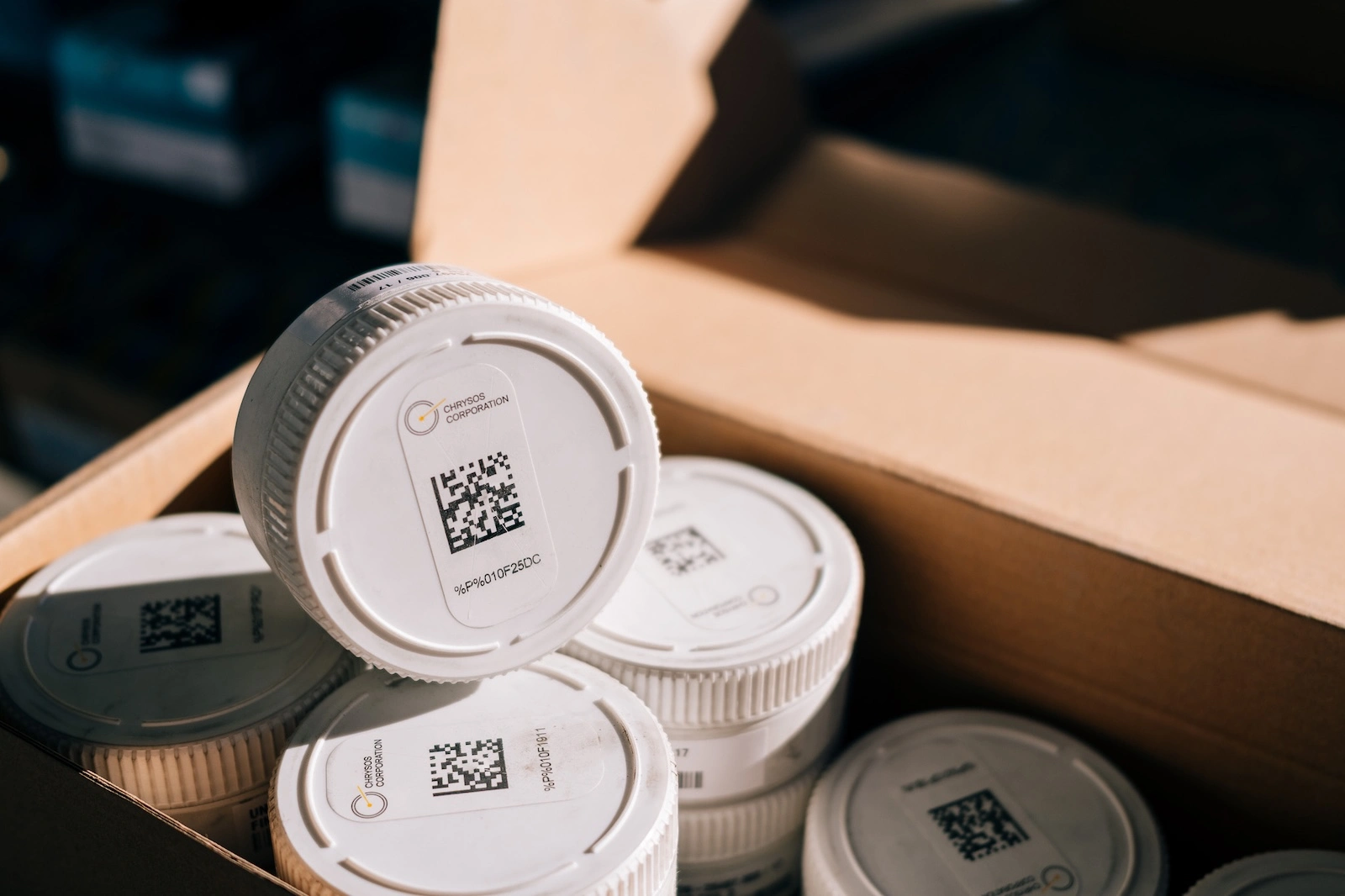
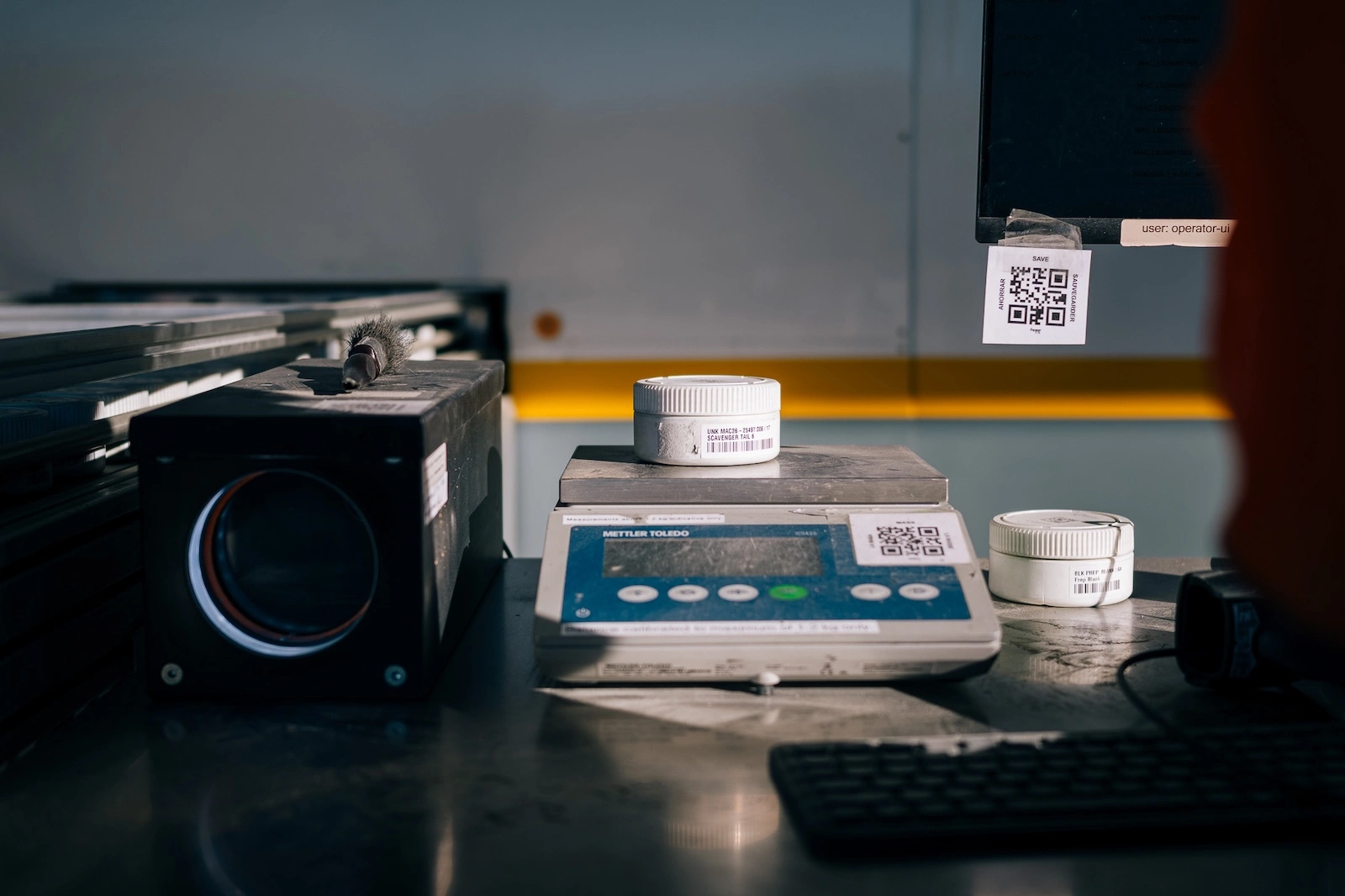
Precision was the second problem. Fire assay reads a 30–50 gram sub-sample, reduced by hand through multiple steps, with each step adding uncertainty.
 

The Solution

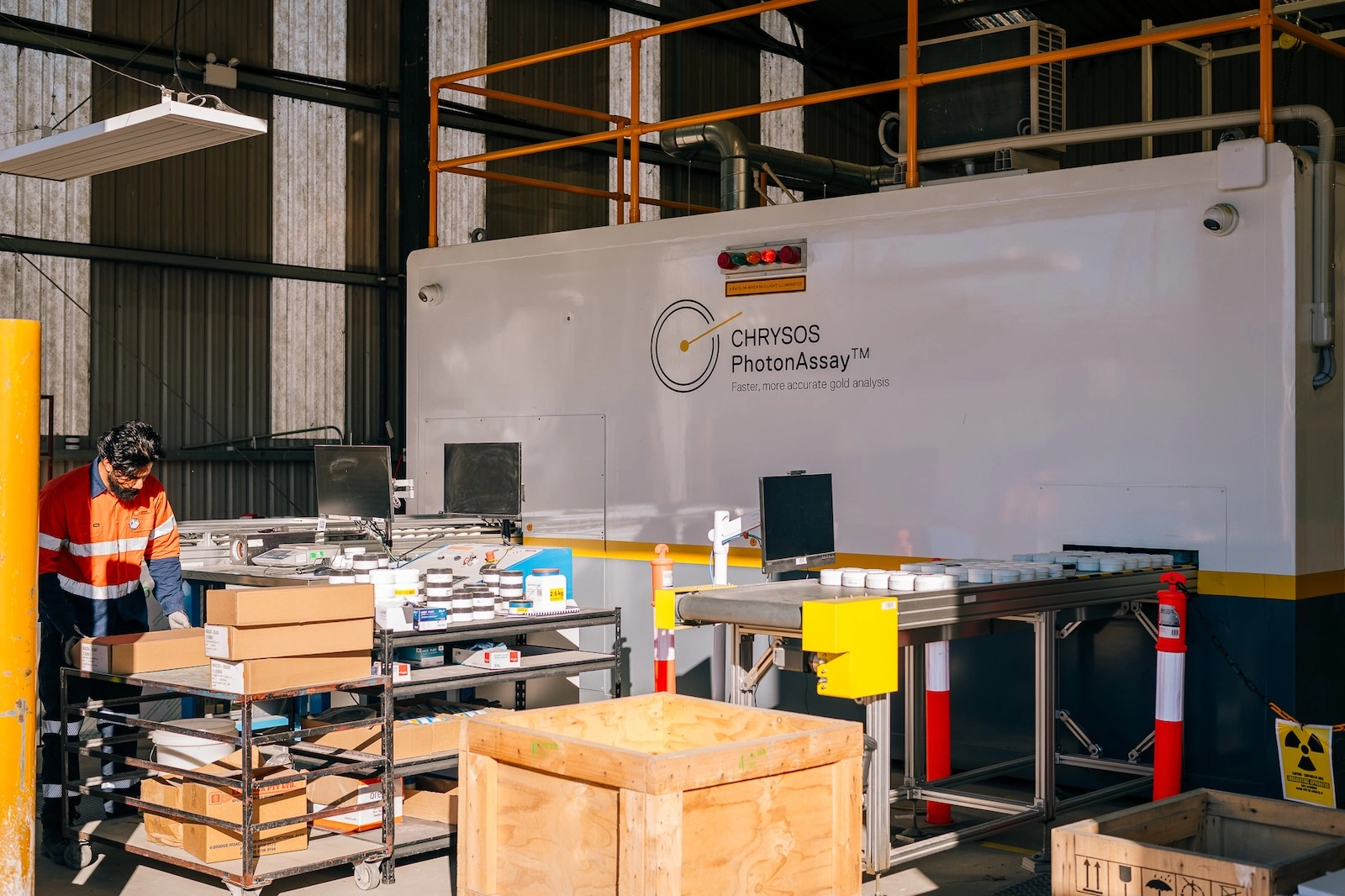
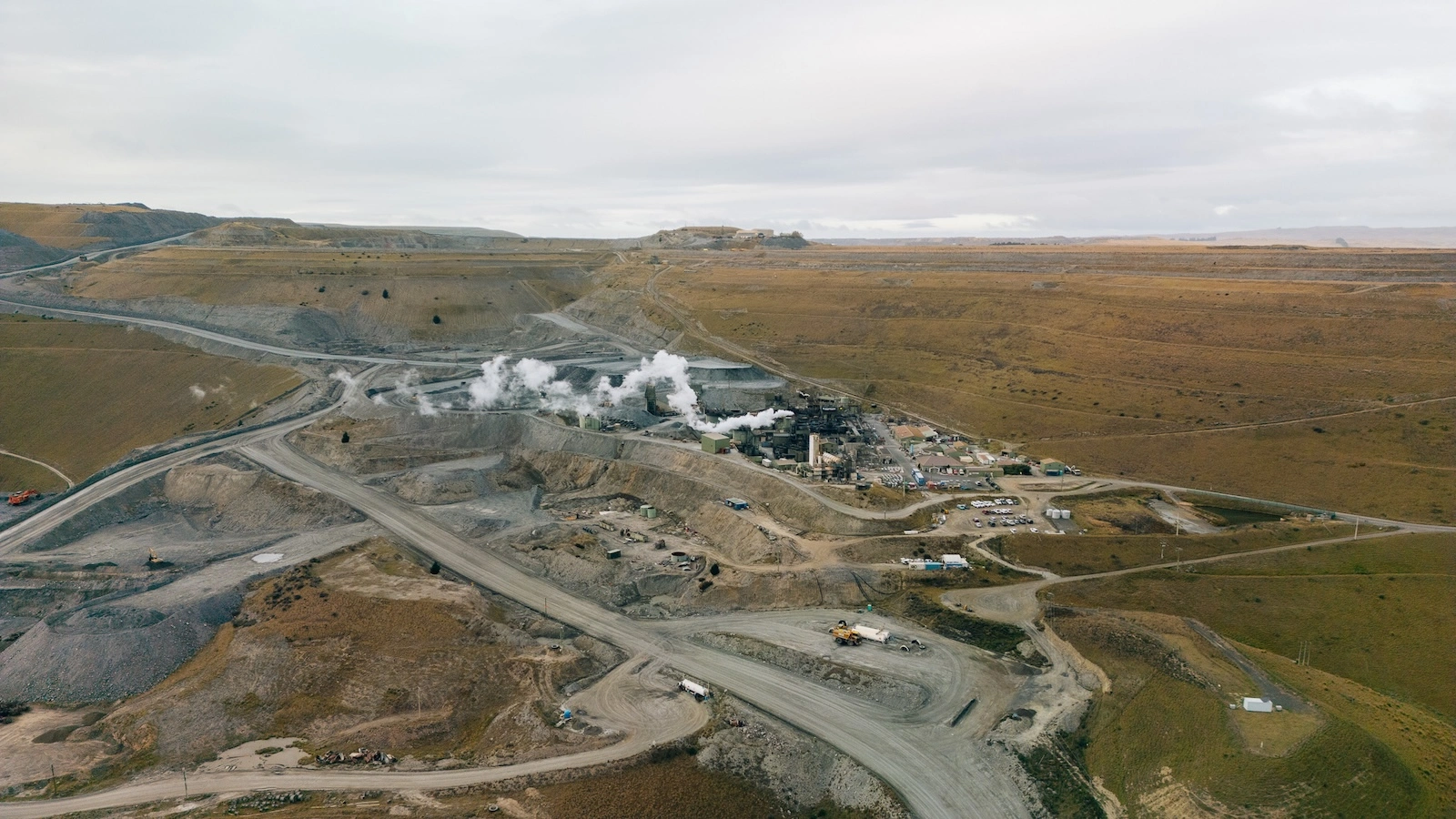
Macraes didn’t switch on a promise. OceanaGold ran comparisons against fire assay, down to the mine’s lowest cutoff grades, where the margin for error is thinnest. Only then did they agree to take a PhotonAssay™ unit on site.


The unit came online on 15 March 2025. Every sample on site runs through it: open pit grade control, underground grab samples, metallurgical samples and exploration. Grade control turnaround has halved. Exploration results that once took months now come back in days.


With the comparisons behind them, Macraes decommissioned the fire assay entirely.


“We had a big program of comparisons with fire assay through our current lab, and when we were happy with that, we just cut the ties and decommissioned the fire assay, and we’ve never looked back,” said Baxter.


Shutting down the fire assay shut down the furnaces and the LPG supply that ran them.  “Down at the lab we used a lot of LPG for the fire assay furnaces. We no longer require that,” he added.


No furnaces. No gas. One less hazard to manage on site.

I don’t think anyone will be using fire assay in the next 10 years. It just simply doesn’t stack up compared to this new technology.

Ben Baxter

Superintendent, Geology — Macraes Gold Mine (OceanaGold)

A regional hub model

The unit didn’t stay a Macraes-only asset for long.


“We also run third party samples through our machine from other mine sites around New Zealand at this stage, and we get a rebate based on that. So it’s good business sense for all of us,” said Baxter.


One unit on site, doing the work of a regional lab.

Keep Exploring

How Ravenswood Gold reduced assay costs

Watch the Ravenswood Gold case study to see how another operation eliminated assay backlogs and cut costs with PhotonAssay™ on site.

Watch the Ravenswood Gold case study
Get In Touch